
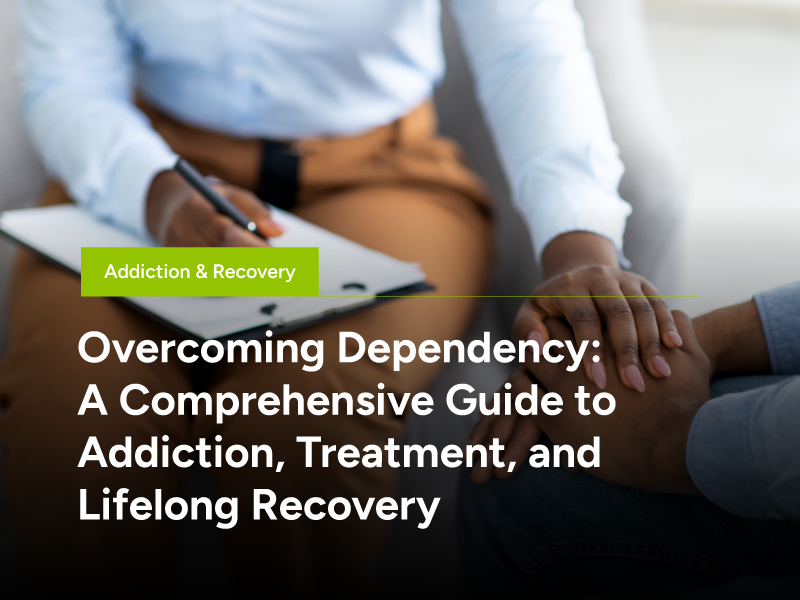
The journey to recovery often begins with a single search. Whether you are looking for addiction treatment, professional counselling, or psychiatric care, you are likely at a crossroads. You aren’t just looking for information; you are looking for a way out.
This guide breaks down the complexities of addiction and provides a clear roadmap for choosing the right support system to reclaim your life.
What is Addiction? Understanding the Science of Dependency
Addiction is more than a lack of willpower; it is a chronic, relapsing brain disorder. It involves functional changes to brain circuits involved in reward, stress, and self-control.
While the initial decision to use a substance is often voluntary, over time, the brain’s chemistry shifts, making the “urge” a physical and psychological necessity.
Common Types of Addiction
Addiction manifests in two primary ways:
- Substance Addictions: This includes alcohol, prescription medications (opioids, benzodiazepines), and illicit drugs (heroin, cocaine, methamphetamines).
- Behavioral Addictions: Compulsive actions that trigger the same reward centers as drugs, such as gambling, internet/gaming addiction, or compulsive spending.
The Three Pillars of Professional Support
To achieve lasting sobriety, a “one-size-fits-all” approach rarely works. The most successful recovery models integrate three distinct disciplines:
1. Addiction Treatment (The Foundation)
This is the clinical process of stopping substance use safely.
- Medical Detox: A supervised period where the body clears the substance. This is critical for safety during withdrawal.
- Inpatient Rehab: A residential setting that provides a controlled environment free from triggers.
- Outpatient Programs: Structured therapy that allows the individual to maintain work or family commitments.
2. Specialized Counselling (The Strategy)
Counselling addresses the why behind the addiction.
- Cognitive Behavioral Therapy (CBT): Identifying and changing the thought patterns that lead to use.
- Dialectical Behavior Therapy (DBT): Building emotional regulation and mindfulness.
- Family Therapy: Healing the support system to ensure a stable home environment.
3. Psychiatric Care (The Clinical Edge)
Many people face Dual Diagnosis—where a mental health condition (like depression, PTSD, or anxiety) co-exists with addiction.
- Medication Management: Using FDA-approved treatments to reduce cravings or stabilize mood.
- Assessment: Distinguishing between the symptoms of withdrawal and underlying psychiatric disorders.
Choosing Your Path: Inpatient vs. Outpatient
The “right” choice depends on the severity of the addiction and the level of support at home.
| Feature | Inpatient (Residential) | Outpatient Programs |
| Environment | 24/7 Monitored Facility | Lives at Home |
| Intensity | High; Full-day programming | Moderate; 3–12 hours per week |
| Cost | Typically higher (includes board) | Generally more affordable |
| Best For | Severe addiction / High relapse risk | Early-stage / Stable support system |
The Missing Piece: Aftercare and Relapse Prevention
Recovery doesn’t end when you leave a facility. Aftercare is the most significant predictor of long-term success. A professional treatment plan should include:
- Sober Living Homes: Transitional housing that bridges the gap between rehab and home.
- Alumni Support Groups: Peer-led sessions (like AA or NA) to maintain accountability.
- Ongoing Therapy: Continued sessions to navigate life’s stressors without returning to old habits.
How to Evaluate a Provider
When searching for “addiction treatment near me,” look for these four markers of quality:
- Integrated Care: Does the facility offer medical, psychological, and psychiatric support under one roof?
- Credentials: Are the staff licensed addiction specialists and psychiatrists?
- Transparency: Do they provide a clear breakdown of costs, including insurance coverage?
- Evidence-Based: Do they use proven methods like CBT or Medically Assisted Treatment (MAT)?
Taking the First Step
You don’t need to have all the answers to start. Most professional centers follow a streamlined entry process:
- Confidential Inquiry: A private conversation to discuss your needs.
- Professional Assessment: A clinical evaluation to determine the appropriate level of care.
- Customized Plan: A roadmap designed specifically for your recovery.
When to Seek Help
If you find yourself struggling to meet work obligations, facing relationship strain, or feeling unable to stop despite the consequences, the time to act is now. Early intervention significantly reduces the risk of long-term health complications.
Recovery is a process, not an event. By choosing an integrated approach that combines medical care, expert counselling, and a robust aftercare plan, you aren’t just quitting a habit—you are building a new life.
Frequently Asked Questions (FAQs)
1. What is the difference between addiction and substance abuse?
While both involve the use of substances, abuse refers to the improper or excessive use of a drug or alcohol. Addiction is the physical or psychological dependence that follows, where the individual can no longer stop using despite the negative consequences.
2. Does Medical cover addiction treatment in Kenya?
Many accredited rehabilitation centers in Kenya accept medical cover for inpatient addiction treatment. However, coverage limits depend on your specific Medical cover scheme and the facility’s accreditation status. It is best to verify with the provider before admission.
3. How long does a typical rehab program last?
Most structured inpatient programs last between 30, 60, or 90 days. The duration depends on the severity of the addiction, the substance involved, and the progress made during the initial detox phase.
4. What is “Dual Diagnosis” and why is it important?
Dual diagnosis occurs when a patient has both a substance use disorder and a mental health condition (such as depression, bipolar disorder, or anxiety). For treatment to be effective, both conditions must be treated simultaneously through integrated psychiatric care.
5. Can I receive addiction treatment while still working?
Yes. Outpatient addiction programs are designed for individuals who have a stable home environment and need to maintain their professional or academic responsibilities while attending scheduled therapy sessions.
6. What happens if someone relapses after treatment?
Relapse is often a part of the recovery journey and not a sign of failure. It indicates that the treatment plan needs to be adjusted. This is why aftercare programs and ongoing counselling are essential for long-term sobriety.
Leave a Reply