
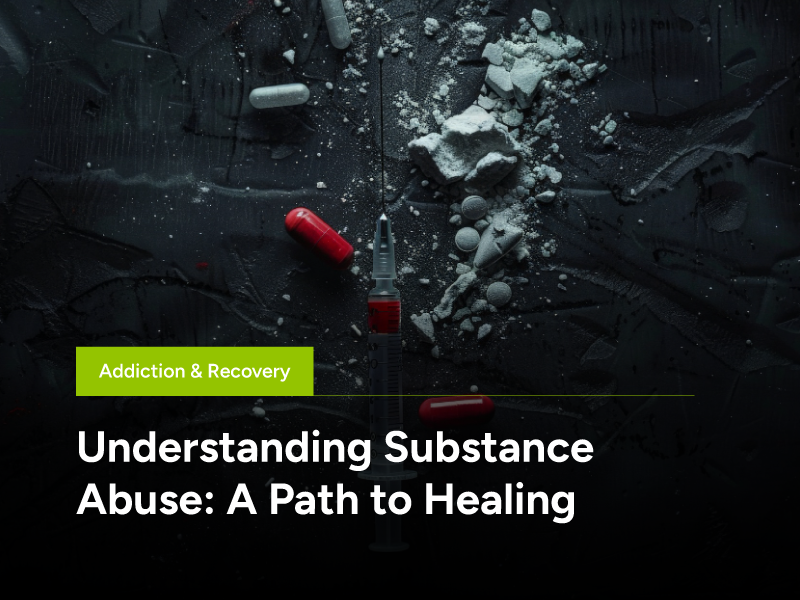
Drug abuse, or substance use disorder (SUD), is a complex condition where the use of one or more substances leads to a clinically significant impairment or distress. It is characterized by a pathological pattern of behaviors related to the use of a substance, even when it causes significant life problems.
At its core, substance abuse isn’t just about “willpower.” It involves changes in the brain’s structure and how it works, specifically affecting the reward, motivation, and memory circuits.
The Five Primary Dangers of Drug Abuse
While the risks vary by substance, five universal dangers apply to most forms of abuse:
- Physical Health Deterioration: Chronic use can lead to organ failure, cardiovascular disease, respiratory issues, and a weakened immune system.
- Mental Health Instability: Substance abuse often triggers or exacerbates conditions like clinical depression, anxiety, and paranoia.
- Risk of Overdose: The body’s tolerance builds over time, leading users to take higher doses, which can cause the body to shut down entirely.
- Impaired Judgment: Under the influence, individuals are more likely to engage in risky behaviors, such as unprotected sex or driving under the influence.
- Neurological Damage: Prolonged exposure to toxins can permanently alter cognitive functions, memory, and emotional regulation.
10 Major Consequences of Drug Abuse
Beyond the immediate physical dangers, the ripple effects of substance abuse touch every corner of an individual’s life:
- Legal Complications: Arrests, fines, and criminal records that can last a lifetime.
- Financial Ruin: The high cost of maintaining a habit often leads to debt, loss of assets, and bankruptcy.
- Career Loss: Difficulty maintaining professional standards leads to job termination and long-term unemployment.
- Family Strain: Broken trust and emotional trauma often lead to the dissolution of marriages and estrangement from children.
- Academic Failure: For students, substance abuse is a leading cause of dropping out and declining cognitive performance.
- Social Isolation: As the substance becomes the priority, healthy friendships are replaced by isolation or toxic environments.
- Homelessness: Financial and relational collapses can eventually result in a loss of stable housing.
- Blood-Borne Diseases: Using shared needles increases the risk of contracting HIV/AIDS and Hepatitis C.
- Internal Organ Damage: Specifically targeting the liver (cirrhosis), kidneys, and heart.
- Loss of Self-Identity: The “hijacking” of the brain’s reward system can make a person feel like they no longer know who they are without the substance.
Consequences of Harmful Substances & Interaction
When we discuss “harmful substances,” we include synthetic drugs and inhalants, which often have unpredictable chemical compositions. These can cause immediate “sudden sniffing death syndrome,” permanent brain lesions, or irreversible loss of motor skills.
FAQs: Getting Out and Rehabilitation
How do I know if I need rehab?
If you find that you cannot stop using despite wanting to, or if your use is causing problems in your relationships, work, or health, professional help is recommended.
What is the first step in rehabilitation?
The first step is usually detoxification, where the body is cleared of the substance under medical supervision to manage withdrawal symptoms safely.
Is rehabilitation only for “hard” drugs?
No. Rehabilitation programs are designed for any substance that causes dependency, including alcohol, prescription medications, and synthetic substances.
Can I recover at home?
While some outpatient programs allow you to live at home, many benefit from the structured, immersive environment of an inpatient facility to break the cycle of triggers.
Finding the Way Home
Recovery is not just about stopping drug use; it is about rebuilding a life of dignity, safety, and peace. If you or someone you care about is struggling, there is a path forward that focuses on care and healing rather than judgment.
Looking for a fresh start?
Our rehabilitation programs offer a supportive, home-like environment designed to help women navigate the journey to sobriety with grace. We focus on holistic healing, safety, and professional care to ensure you don’t have to walk this path alone.
Leave a Reply